Piracy Warning Luxury Cruise Passengers
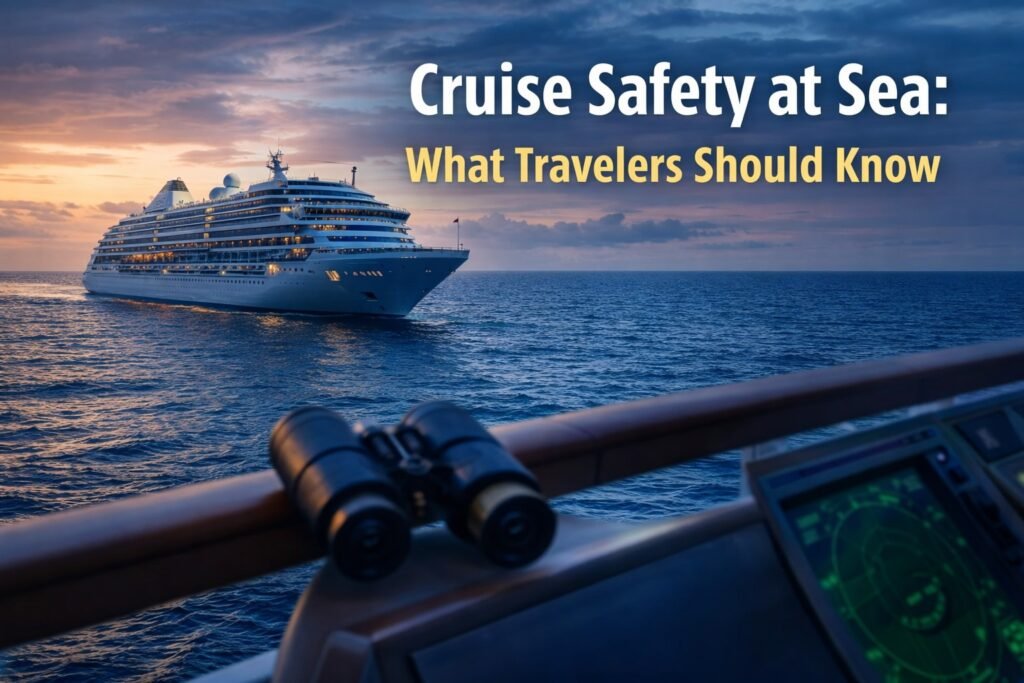
Piracy Alerts and Cruise Safety: What Every Traveler Should Know Before Sailing
Cruising is one of the most relaxing and luxurious ways to see the world — but even on smooth seas, sometimes reality can be surprising. In recent months, several luxury cruise ships have taken extra safety steps while passing through waters known for maritime piracy, reminding travelers that, while rare, such risks still exist in certain parts of the world.
Here’s a clear, passenger-friendly look at what happened, what it means, and how cruise lines and travelers stay safe.
🚢 Pirate Risk Isn’t Just in Movies — But It’s Still Uncommon
Piracy might evoke images from Hollywood films, but real piracy incidents around the world still happen — mainly in specific regions. Historically, places like the waters off parts of Southeast Asia or near the Gulf of Aden have seen higher levels of pirate or maritime crime reports.
That said, actual attacks on large cruise ships are very rare — modern cruise vessels are massive, well-defended, and cruise lines take safety extremely seriously before sailing through any risky waters.
🌊 Recent Example: Queen Anne and the Sulu-Celebes Sea
In early 2025, passengers aboard the luxury cruise ship Queen Anne, operated by Cunard, were informed of heightened safety measures as the ship passed through the Sulu-Celebes Sea — a part of Southeast Asian waters known historically for maritime crime, including piracy.
Here’s what passengers were advised to do:
- Turn off unnecessary lights so the ship wouldn’t stand out at night.
- Close curtains and limit visibility from inside cabins.
- Avoid staying on outdoor decks overnight while in the area.
- Follow all crew safety instructions carefully.
These steps might sound dramatic — but in maritime safety, reducing visibility and exposure is a common precaution when transiting through zones with a history of pirate activity.
Importantly, Cunard and other cruise lines emphasized that there was no active threat at the time — and these precautions were standard maritime procedures designed to keep everyone onboard safe.
🛡️ Why Cruise Lines Take These Precautions
While pirates more often target smaller or commercial vessels than big cruise ships, maritime security experts and shipping companies remain vigilant. Cruise lines partner with global security monitoring groups and use advanced navigation, communication, and defense equipment to reduce risks.
Common safety measures include:
- Limiting lighting and closing outdoor areas in high-risk zones.
- Broadcasting clear instructions and safety briefings to passengers.
- Training crew members in risk awareness and emergency procedures.
- Following guidance from international maritime authorities.
These measures help ensure the cruise experience remains enjoyable and secure even in transit zones with safety advisories.
🧭 Are Pirates Still Active Today? Understanding the Bigger Picture
Global reports show that piracy incidents overall have declined significantly over recent decades, reaching some of the lowest levels since the 1990s.
However, isolated incidents and armed robberies at sea still occur — especially at night and in certain busy trade routes or coastal regions.
For cruise passengers, the risk is still very low — but being informed and attentive when traveling through unfamiliar waters helps you stay safe and relaxed.
🎒 Tips for Passengers Traveling Through High-Risk Waters
Whether you’re on a world cruise or a regional journey, these common-sense tips can help you stay comfortable and prepared:
✅ 1. Listen to Safety Briefings
Cruise crews provide safety updates before and during your trip — especially when entering regions with specific advisories. Always pay attention and ask questions if something isn’t clear.
✅ 2. Follow Crew Instructions
If the captain asks you to dim lights, stay inside at night, or close curtains, it’s for everyone’s safety — follow the protocol without panic.
✅ 3. Stay Informed
Before you travel, check government travel advisories and maritime safety information for your itinerary.
✅ 4. Keep Valuables Secure
Even in ports or coastal towns near high-risk areas, use good travel practices: keep valuables secure and stay within well-recommended tourist zones.
✅ 5. Trust the Professionals
Cruise ships are among the safest ways to travel — captains, crew, and maritime authorities work together to manage risks expertly.
📝 Final Note: Enjoy the Journey with Confidence
Piracy warnings might sound alarming, but in reality, modern cruise travel remains very safe. Precautions like dimming lights or closing decks are standard safety procedures, not signs of imminent danger.
By staying informed and listening to your crew, you can relax and enjoy your beautiful cruise — whether you’re crossing oceans or exploring exotic ports around the world.